
Everything You Need To Know About How Pool Pumps Work
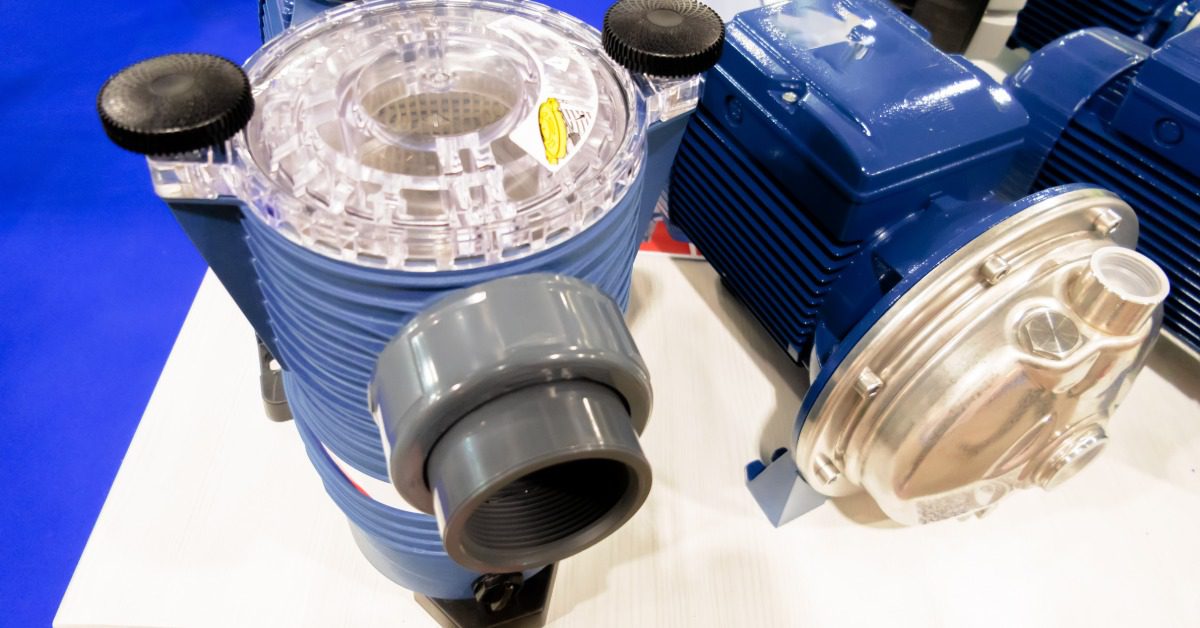
A clean, clear pool depends on more than chemicals and surface cleaning. The equipment behind the scenes keeps water moving, filtered, and balanced every day. Among all pool components, the pump stands at the center of that process.
Understanding everything you need to know about how pool pumps work allows you to maintain water quality, extend equipment life, and avoid unexpected issues. With the right knowledge, you can make informed decisions about maintenance and when to call in professional help.
Pool Pumps Keep Water Circulating Efficiently
A pool pump drives water through the entire filtration system. It pulls water from the pool, pushes it through the filter, and returns it clean and balanced. Without steady circulation, debris settles quickly and algae growth accelerates. Stagnant water also prevents chemicals from distributing evenly, which leads to cloudy water or unsafe conditions.
Consistent water circulation keeps the pool environment stable. It allows every part of the system to work together, from skimmers to returns, creating a healthier swimming experience.
Pool Pumps Use a Simple Yet Powerful Mechanical Process
The operation of a pool pump relies on a straightforward mechanical principle. An electric motor powers an impeller, which creates suction and pressure within the system.
Water enters through the pump basket, where larger debris gets trapped before reaching internal components. The impeller then spins rapidly, pushing water forward into the filtration system. This continuous motion creates a closed-loop system—water exits the pool, gets cleaned, and returns again in a steady cycle that maintains clarity and sanitation.

Proper Pump Sizing Ensures Optimal Pool Function
Not all pool pumps fit every pool. Size and horsepower must match the pool’s volume and plumbing design. An oversized pump can move water too quickly, reducing filtration effectiveness and increasing energy costs. Meanwhile, an undersized pump struggles to circulate water properly, which leads to poor cleaning results.
Correct pump sizing allows the pool system to complete full water turnover cycles efficiently. That balance supports both water clarity and long-term equipment health.
Routine Maintenance Keeps Pool Pumps Running Smoothly
Ongoing maintenance protects the pump and prevents equipment breakdowns. Simple tasks can significantly extend the life of your system. Cleaning the pump basket regularly keeps debris from restricting water flow, while checking for leaks or unusual noises allows you to identify problems early. Monitoring water pressure levels also ensures the system operates within the correct range.
Professional inspections add another layer of protection. Many homeowners rely on expert service for deeper pool system evaluations, especially when signs of wear begin to appear. When issues arise, timely swimming pool repairs prevent further damage and restore proper function.
Energy-Efficient Pumps Reduce Long-Term Costs
Modern pool pumps offer improved energy efficiency compared to older models. Variable-speed pumps, in particular, allow you to adjust flow rates based on your pool’s needs. Lower speeds consume less energy while still maintaining proper circulation. Over time, this adjustment can significantly reduce utility costs.
Energy-efficient pumps also operate more quietly and experience less wear. That combination delivers superior user comfort and system durability for homeowners who want reliable performance without excessive expense.
Pump Run Time Directly Impacts Water Quality
The amount of time your pool pump runs each day influences how well your water stays clean and balanced. A properly timed schedule ensures the system completes enough circulation cycles to filter out debris and distribute chemicals evenly.
Most pools require several hours of pump operation daily, though the exact duration depends on pool size, usage, and environmental factors. Warmer climates or heavy use often demand longer run times to maintain water clarity. Adjusting your schedule seasonally helps keep performance consistent without wasting energy. Timers and automation systems simplify this process, allowing you to set consistent schedules that support efficient pump operation without constant manual adjustments.

Plumbing and System Design Affect Pump Performance
Your pool pump does not operate in isolation. The plumbing layout, pipe size, and overall system design all influence how effectively water moves through the system. Long or complex plumbing runs can create resistance, which forces the pump to work harder. Smaller pipes may restrict flow, reducing overall efficiency, and even the placement of equipment can impact how smoothly water circulates.
A well-designed pool system supports balanced pressure and steady flow. When everything aligns correctly, the pump operates with less strain and delivers more reliable results over time.
A Pump Upgrade Can Improve Overall Pool Efficiency
Older pumps often lack the efficiency and performance features found in newer models. Upgrading to a modern system can enhance circulation, reduce energy use, and improve overall water quality. Newer pumps offer better control over speed and flow, allowing you to fine-tune operation based on your pool’s needs. This flexibility maintains consistent pump performance while minimizing unnecessary wear on equipment.
If your current pool pump struggles to keep up or requires frequent service, an upgrade provides a more dependable long-term solution. Working with experienced pool care professionals means you will select the right system for your setup and get the most value from your investment.
Professional Service Ensures Long-Term Reliability
While basic upkeep helps with pump performance, professional service provides deeper insight into your pool system’s condition. Technicians evaluate equipment performance, identify hidden issues, and recommend solutions that fit your pool’s needs.
At Miller Pools, we take pride in helping homeowners keep their pool systems running at peak performance. With over 30 years of experience serving residential pools, we handle everything from maintenance to complex equipment repairs with care and precision. If your pump shows signs of wear or you want to improve system efficiency, we’re here to help. Our team delivers dependable service so your pool stays clean, safe, and ready to enjoy.
Pool Pumps Protect Your Investment
Understanding everything you need to know about how pool pumps work gives you a clear advantage as a pool owner. You can spot issues early, maintain proper system performance, and make informed decisions about equipment upgrades or repairs. A well-functioning pump supports every aspect of your pool, keeping water moving, filtration effective, and equipment operating as intended.
If you want expert pool support or need help with your system, contact the team at Miller Pools. We’re ready to keep your pool in top condition with trusted service and reliable solutions.
« Back to Help & Advice