
How To Clean Your Pool After a Big Storm
Severe weather can leave a swimming pool filled with debris and cloudy water. Storm runoff often carries dirt, leaves, pollen, and contaminants into the water, which can strain pool equipment and create unsafe swimming conditions.
Homeowners who act quickly after severe weather can prevent long-term pool damage and reduce the chances of needing costly repairs. Knowing how to clean your pool after a big storm keeps the water healthier and protects your investment.
Remove Large Debris Before Running Pool Equipment
Branches, leaves, mulch, and trash can settle on the water’s surface and the pool floor after heavy rain. Removing this material first prevents blockages inside skimmers, pumps, and filters.
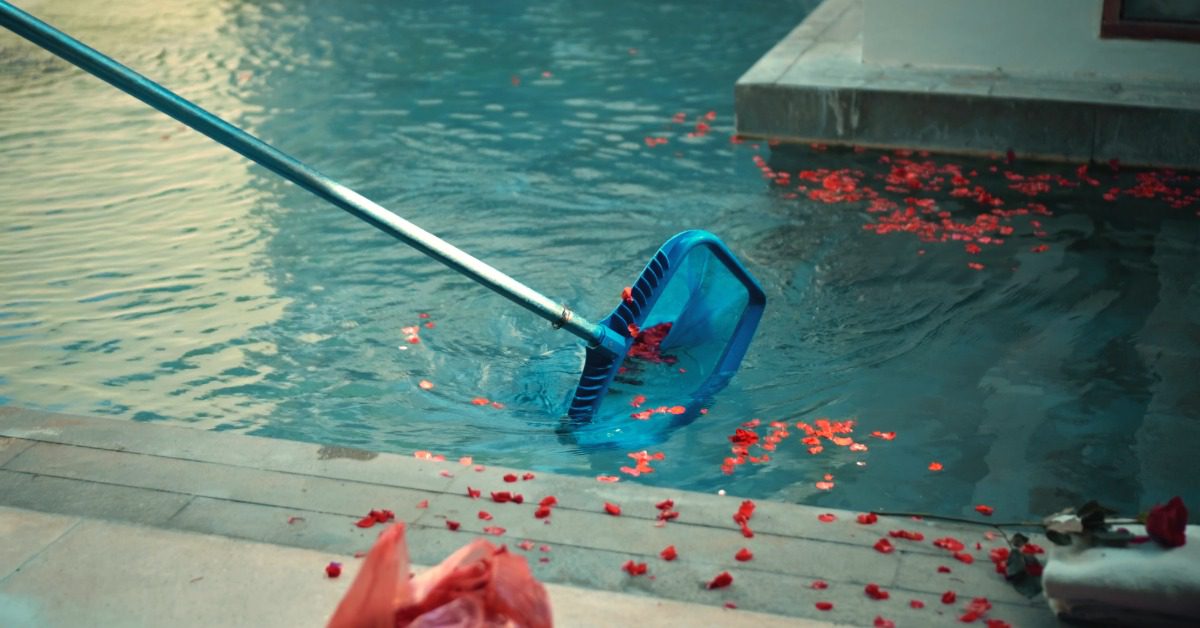
Start with a leaf net or pool rake to remove large debris from the water. Work slowly across the pool surface so smaller particles do not sink to the bottom. After clearing the top layer, check the pool’s corners, steps, and deep areas for additional buildup.
Avoid turning on the pump if the pool contains heavy debris, as large objects can damage equipment or restrict water flow. Once you clear visible material, empty the skimmer baskets and inspect the pump basket before restarting the system.
Inspect Pool Equipment for Storm Damage
Strong storms can affect electrical systems and pool equipment even when the water looks manageable. Pool owners should inspect equipment carefully before running the circulation system for extended periods.
Look for exposed wiring, damaged connections around the pump and heater, and standing water near electrical components. Check the filter tank for cracks or leaks caused by falling debris. If your area experienced flooding, inspect equipment pads for mud or sediment buildup around motors and valves.
If you notice unusual sounds, reduced circulation, or electrical concerns, contact a pool professional before operating the equipment further. Quick inspections can prevent larger repair issues from developing later.

Vacuum Sediment and Dirt From the Pool Floor
Storm runoff often carries fine dirt and sand into swimming pools. These particles usually settle at the bottom of the pool once the water becomes still again. Removing sediment promptly keeps the water from turning cloudy again during circulation.
Manual vacuuming often works best after major storms because heavy debris can overwhelm automatic cleaners. Move slowly across the pool floor so sediment does not spread back into the water column. If the pool contains excessive dirt, vacuuming should prevent additional strain on the filter system.
Many homeowners notice cloudy water after vacuuming because tiny particles remain suspended temporarily. Continue circulating the water and monitor filter pressure throughout the cleaning process; the filter will gradually capture those smaller contaminants over several hours.
Restore Proper Water Chemistry After Heavy Rain
Rainwater changes pool chemistry quickly since large storms dilute sanitizer levels and alter pH, alkalinity, and calcium hardness. Storm runoff may also introduce contaminants that increase chlorine demand.
Water testing should happen soon after debris removal. Use a reliable test kit or professional water testing service to check all major chemical levels before swimmers return to the pool.
Focus on balancing these key areas:
- Free chlorine
- pH levels
- Total alkalinity
- Calcium hardness
- Cyanuric acid stabilizer
Shock treatments often become necessary after severe storms because organic debris increases bacteria growth and contaminant levels. Run the circulation system continuously during treatment so chemicals distribute evenly throughout the pool.
Homeowners who want help restoring water clarity benefit from a weekly pool cleaning service that monitors water chemistry consistently after severe weather events. Professional maintenance keeps chemical levels more stable during active storm seasons.
Clean and Backwash the Pool Filter Thoroughly
Pool filters collect much of the contamination introduced during storms. Dirt, algae spores, pollen, and organic debris can clog filtration systems quickly after severe weather, but cleaning the filter improves circulation and shortens water recovery time.
The appropriate cleaning method depends on your pool’s filter type. Sand and DE filters may require backwashing, while cartridge filters usually need removal and rinsing. Be sure to check pressure gauges before and after cleaning to confirm water flow returns to normal.
If storms repeatedly affect your area during a specific season, try to inspect the filters more often than usual. Increased debris loads place additional strain on water circulation systems throughout extended periods of bad weather.

Brush Pool Surfaces To Prevent Algae Growth
Storm conditions create an ideal environment for algae growth. Warm temperatures, diluted sanitizer, and organic debris all contribute to algae development after severe rain events. Brushing pool surfaces removes buildup before algae spreads.
Brush the walls, steps, corners, and behind ladders thoroughly after storms, and pay close attention to shaded areas where circulation may remain weaker. Brushing loosens contaminants so the filtration system can remove them more effectively.
Pools with plaster, tile, or textured finishes may trap dirt more easily after storms. Consistent brushing keeps those particles from settling into porous surfaces and staining the finish over time.
Monitor Water Clarity Before Swimming Again
Clear water does not always mean safe water. Storm contamination can leave bacteria and chemical imbalances even after debris disappears from sight. Testing, chemical balancing, and circulation should continue until the water reaches safe swimming conditions again.
Cloudy pool water after storms often points to filtration issues, poor circulation, or incomplete chemical balancing. Patience during the recovery process protects both swimmers and pool equipment.
Professional Maintenance Reduces Storm Recovery Stress
Storm cleanup can become time-consuming after major weather events, especially when pools contain heavy debris or severe chemical imbalances. Routine professional maintenance reduces cleanup time because technicians can monitor equipment and water conditions consistently throughout the year.
At Miller Pools, we provide residential pool care, repairs, and maintenance services across the greater Houston area. Our team handles storm-related cleanup, water balancing, equipment inspections, and ongoing maintenance support for in-ground pools. We work directly with homeowners who want reliable pool care after severe weather.
Pool owners who stay proactive after storms protect water quality and reduce wear on critical equipment. Knowing how to clean your pool after a big storm keeps your swimming pool ready for use throughout the season.
« Back to Help & Advice