Signs Your Pool Repair Problem Is Getting Worse
A swimming pool should provide relaxation, fun, and value for your home. When something stops working correctly, many homeowners hope the issue will stay small until they have time to address it. Unfortunately, pool problems don’t improve on their own. Small equipment concerns, surface damage, and plumbing issues often become more expensive when they remain untreated.
Recognizing the signs your pool repair problem is getting worse allows you to address issues before they affect other parts of your swimming pool system. Paying attention to changes in performance, appearance, and water levels can prevent the need for larger repairs and reduce overall expenses.
Water Loss Continues Even After You Add Water
Every pool loses a small amount of water through evaporation, especially during hot Texas summers. However, you should pay closer attention to the levels when you find yourself adding water every few days.
Persistent water loss often points to a developing leak. Cracks in plumbing lines, damaged fittings, or structural problems beneath the surface can allow water to escape continuously. As the leak grows, it may wash away soil around the pool and place added stress on surrounding structures. If the water level drops consistently even when weather conditions remain the same, schedule a professional pool inspection before the damage spreads.
Pool Equipment Starts Running Longer Than Normal
Your pool equipment should operate on a predictable schedule. When pumps, filters, or heaters suddenly run longer or struggle to maintain normal performance, something within the system may need attention.
A failing component forces other equipment to work harder. That extra strain increases energy costs and speeds up wear throughout the circulation system. Watch for changes such as:
- Longer filtration cycles
- Reduced water circulation
- Unusual pressure gauge readings
- Equipment shutting off unexpectedly
- Difficulty maintaining water temperature
Addressing these symptoms early often prevents additional equipment failures.
Cracks Become Larger or More Noticeable
Hairline cracks sometimes develop as pools age. While some remain cosmetic, widening cracks deserve immediate attention.
Visible changes in crack size or depth often indicate movement beneath the pool or increasing structural stress. Water entering those openings may gradually weaken the surrounding materials and enlarge the damaged area.
Homeowners sometimes focus only on the appearance of a crack, but the more important concern involves what occurs beneath the surface. Prompt crack repairs stop further deterioration before structural restoration becomes necessary.
Water Quality Becomes Harder To Maintain
Pool chemistry should remain relatively stable when the equipment functions correctly. If you suddenly have trouble balancing the chlorine, pH, or alkalinity despite following your normal routine, an underlying issue may exist.
Leaks dilute treated water, while broken circulation equipment prevents chemicals from distributing evenly. Damaged filters allow contaminants to remain in the water longer than they should.
When water repeatedly becomes cloudy or algae returns shortly after treatment, your pool may need more than chemical adjustments. A professional swimming pool repair service can identify any mechanical problems that contribute to ongoing water quality issues.
Strange Noises Signal Internal Equipment Damage
Pool equipment naturally produces some operating sounds. Loud grinding, rattling, squealing, or humming usually indicates that internal parts have started wearing out.
Bearings inside pumps often create grinding noises before failure, and loose components may rattle as vibration increases. Electrical issues sometimes produce buzzing sounds that require immediate evaluation.
Ignoring unusual noises rarely saves money. Many pool equipment repairs remain relatively straightforward when technicians replace worn components before they damage the entire unit. If you notice new sounds that persist during pool operation, turn your attention toward the equipment instead of waiting for a complete breakdown.
Pool Surfaces Continue To Deteriorate
Your pool finish protects the structure underneath while creating a comfortable swimming surface. As that finish ages, small signs of wear may appear. When deterioration accelerates, repairs become much more urgent.
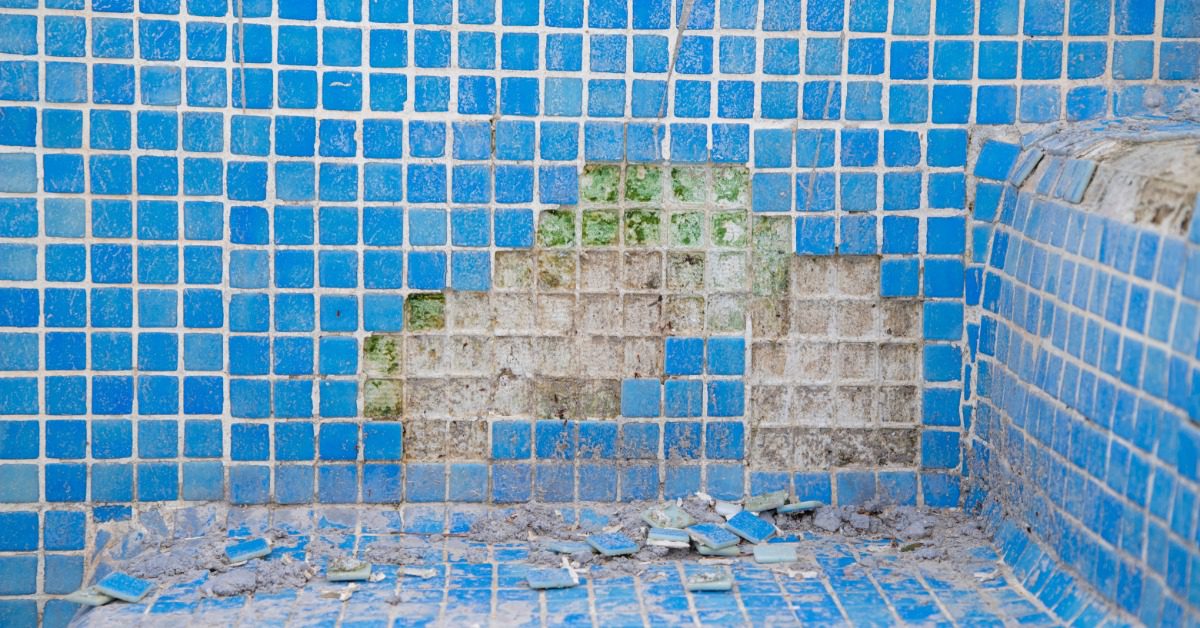
Rough plaster, missing tile, loose coping, and flaking finishes expose underlying materials to water intrusion. Over time, those conditions increase repair costs because the damage reaches deeper structural layers.
You should inspect all pool surfaces regularly for changes rather than assuming normal aging explains every imperfection. Keeping the finishes in good condition protects the long-term integrity of your investment.
Rising Utility Bills Point Toward Hidden Problems
Many homeowners notice higher electric or water bills before they notice obvious pool damage. A struggling pump consumes more electricity, and leaking plumbing increases water usage. Heating systems that operate inefficiently also require additional energy to maintain comfortable swimming temperatures.
Compare current utility bills with previous months during similar weather conditions. Unexpected increases often provide valuable clues that something within the pool system no longer operates efficiently. Addressing the source of those higher operating costs usually saves money over time.
Delaying Repairs Often Increases Overall Costs
Many pool owners postpone repairs because the pool still appears usable. While that decision may seem practical at first, waiting often allows small issues to affect surrounding equipment or structural components.
For example, a minor plumbing leak may eventually damage decking, while a worn pump motor can place additional strain on electrical systems. And surface cracks may continue expanding until more extensive restoration becomes necessary.
One of the biggest signs your pool repair problem is getting worse involves the steady appearance of related issues. Instead of one isolated repair, multiple components begin showing symptoms because they work together as a complete system. Addressing concerns while they remain small often protects both your budget and your pool.
Professional Inspections Catch Problems Before They Grow
Routine pool inspections provide an opportunity to identify developing repair needs before they become emergencies. Experienced technicians know where problems commonly begin and what warning signs deserve closer attention.
Professional evaluations often uncover issues that homeowners cannot easily see, including underground leaks, equipment wear, plumbing damage, or early structural movement. Identifying these concerns early allows repairs to stay more manageable.
At Miller Pools, we understand how frustrating unexpected pool repairs can become. Our experienced team will carefully evaluate your pool, explain what we find, and recommend practical solutions that fit your needs. If you’ve noticed changing water levels, equipment problems, or other warning signs, we’re ready to inspect your pool and provide dependable repair services.
« Back to Help & Advice