
How To Keep Your Swimming Pool From Turning Green

A clear, blue swimming pool reflects consistent care, proper water chemistry, and attention to detail. When pool water turns green, it means algae has already taken hold and started multiplying. Preventing that shift requires a steady pool care routine and a solid understanding of what your pool needs day to day.
Homeowners who stay proactive can avoid costly cleanups and undue stress. The goal is not just clean-looking water, but balanced, healthy conditions that support long-term pool performance. Discover how to keep your swimming pool from turning green with some practical, effective strategies.
Consistent Water Testing Keeps Chemistry Balanced
Regular water testing is a foundational component of pool care. When chemical levels drift out of range, algae takes the opportunity to grow quickly. Testing your pool water at least once or twice per week allows you to catch issues early. Focus on chlorine, pH, alkalinity, and stabilizer levels so each element stays aligned.
Balanced water allows your pool sanitizer to work efficiently and keeps contaminants under control. Those who skip testing often rely on guesswork, which leads to water chemical imbalances, but staying consistent with testing prevents problems from arising. Using reliable testing kits or professional testing services ensures accurate readings and better decision-making.
Proper Chlorine Levels Prevent Algae Growth
Chlorine acts as your pool’s primary defense against contaminants. When chlorine levels drop too low, algae begins to form and spread across pool surfaces. Maintaining consistent sanitizer levels keeps your pool protected throughout the swimming season.
Hot weather, heavy use, and rain can all reduce a pool’s chlorine levels faster than expected, but checking these levels more frequently during peak swim times helps you stay ahead. If the water begins to look dull, the chlorine levels likely need adjustment. Stabilizers can also protect the chlorine from sunlight exposure, improving its effectiveness during long, sunny days.
Routine Brushing and Cleaning Stop Buildup
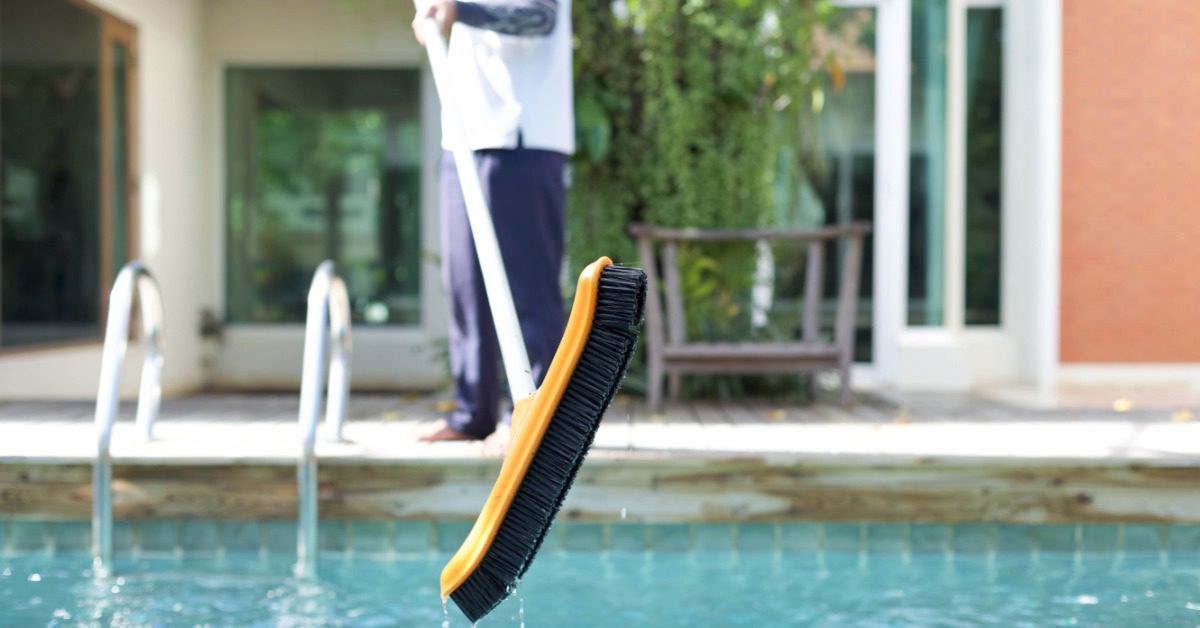
Even with balanced water, debris and algae spores can cling to pool surfaces. Regular brushing removes buildup before it turns into a larger issue. When cleaning, be sure to focus on walls, steps, and corners where circulation may be limited.
Routine skimming and vacuuming eliminate organic material that feeds algae growth. Leaves, dirt, and pollen introduce nutrients that can quickly affect water quality, but a consistent cleaning schedule keeps your pool surfaces clear and supports better water circulation. Keeping surrounding areas clean also reduces the amount of debris that enters the pool in the first place.
Strong Circulation Keeps Water Moving and Clean
Water circulation plays a critical role in preventing algae growth. Stagnant water creates areas where chemicals cannot reach, meaning they do not work effectively in those spots. Proper circulation allows for an even distribution of sanitizer and helps prevent debris buildup.
Run your pool pump long enough each day to cycle all the water through the system; most pools require several hours of daily circulation, depending on size and usage. Adjusting the return jets can also improve movement and reduce problem areas. Variable-speed pumps offer greater efficiency and allow you to fine-tune circulation based on your pool’s needs.
Filter Cleaning and Maintenance Aid in Debris Management
Your pool’s filter removes debris and particles that can cloud the water and contribute to algae growth. When the filter becomes clogged, it cannot perform effectively. Regular maintenance keeps your pool filtration system working properly.
Each type of filter requires a different cleaning schedule. Cartridge filters need occasional rinsing, while sand and DE filters require periodic servicing. If your pool’s filtration system struggles to keep up, a professional inspection from a pool repair company can help you identify and resolve the issue. Upgrading outdated equipment can also improve filtration and overall water clarity.
Weather Monitoring Allows for Prompt Responses
Weather conditions directly impact your pool’s water chemistry and cleanliness. Heavy rain can dilute chemicals, while high temperatures accelerate chlorine loss. Wind also introduces debris that affects water quality.
After storms or extended periods of heat, test your pool water and make adjustments promptly. Seasonal changes also require attention to ensure your pool remains balanced. Staying aware of environmental factors helps you prevent sudden changes in water clarity, as nearby landscaping, construction, or pollen-heavy seasons can also increase maintenance needs.
Shock Treatments Maintain Clear Water
Occasional shock treatments boost sanitizer levels and eliminate contaminants that standard chlorine levels may not fully address. This process restores water clarity and removes buildup that contributes to algae growth.
Apply shock treatments after heavy pool use or when the water begins to appear cloudy. Evening application often delivers better results since sunlight can reduce effectiveness. Understanding how to keep your swimming pool from turning green includes using shock treatments at the right time and choosing the correct type of shock for your pool system.
Pool Coverings Reduce Contamination
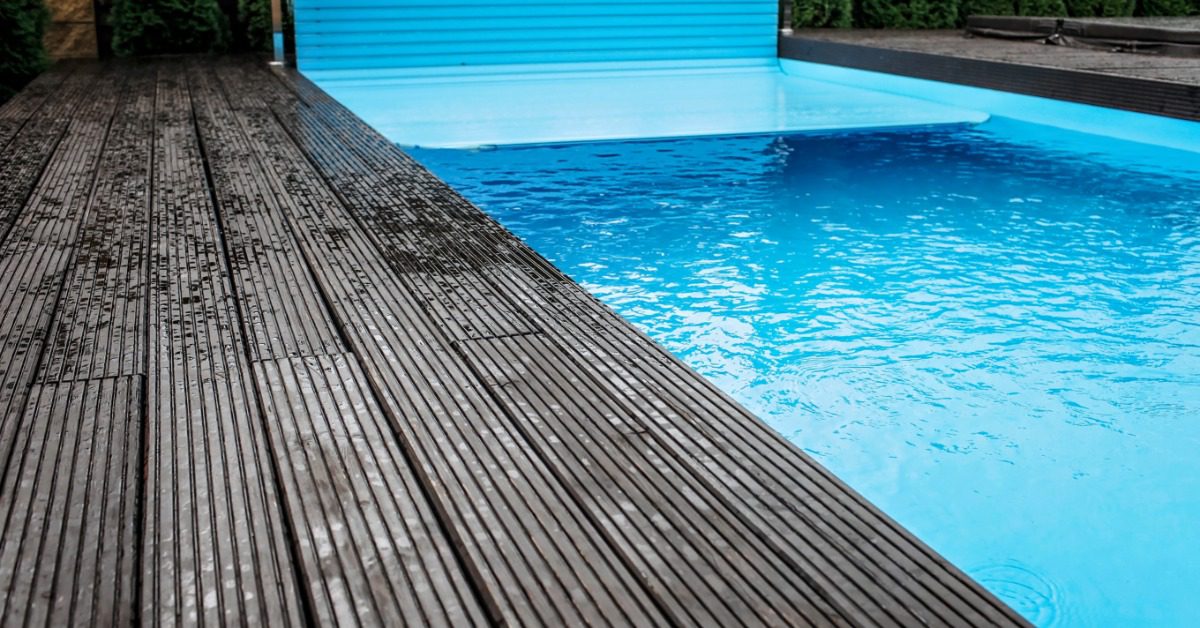
Using a pool cover adds another layer of protection against algae growth since covers limit debris, sunlight exposure, and contaminants that enter the water. By reducing these factors, you create a more stable pool environment that supports proper chemical balance.
Solar covers, safety covers, and automatic covers each offer different benefits. Even occasional use during storms or when the pool sits unused can make a noticeable difference. Less debris accumulation means fewer nutrients available for algae, which helps maintain clearer water with less effort.
Professional Services Add Long-Term Protection
Even if you have a consistent pool care routine, professional services provide added confidence and long-term protection. Experts can identify issues early and make sure your pool system operates efficiently. Routine inspections and adjustments also prevent recurring problems.
Miller Pools has served pool owners for over 30 years with dependable maintenance, repair, and renovation services. Our team focuses on keeping pools clean, functional, and ready for use throughout the year. Working with our experienced professionals allows you to protect your investment and reduce the risk of unexpected issues.
Stay Proactive To Keep Your Pool Crystal Clear
Preventing green pool water requires consistency, awareness, and proper maintenance. Regular testing, cleaning, and circulation create an environment where algae cannot thrive. Small pool care efforts performed regularly deliver lasting results.
If you want reliable support, Miller Pools offers expert care tailored to residential pools. Our team provides maintenance, repairs, and guidance designed to simplify pool ownership. Contact Miller Pools today to schedule maintenance services and keep your pool looking its best year-round.
« Back to Help & Advice