Pool Maintenance Mistakes That Lead to Bigger Issues
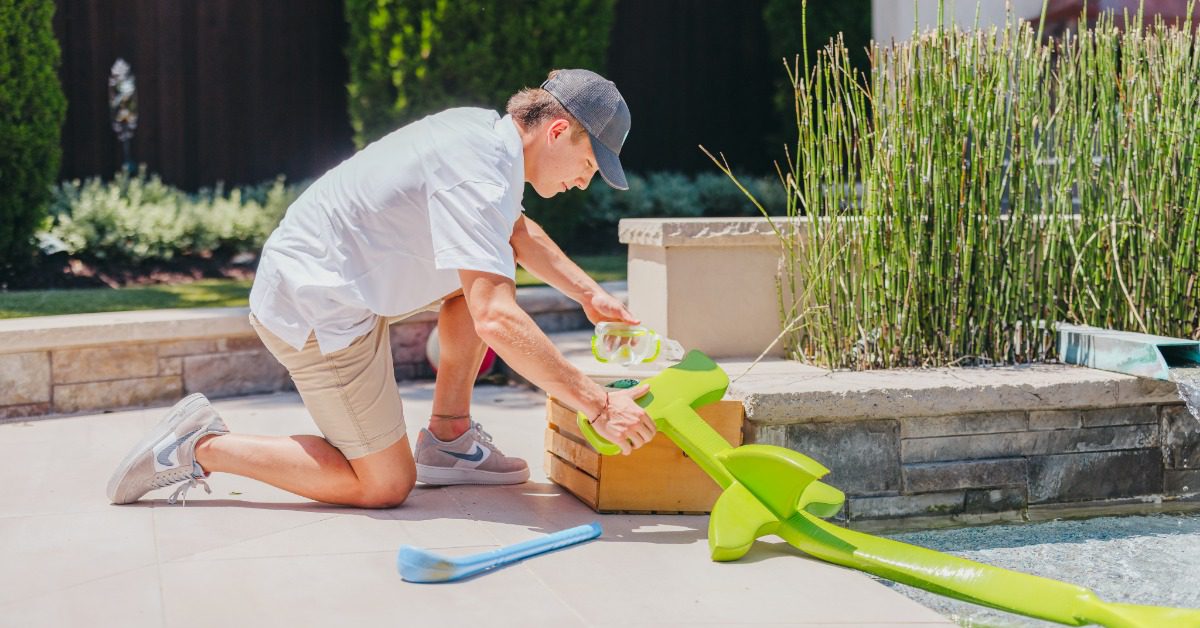
A swimming pool requires consistent attention to maintain clean water and reliable equipment. While homeowners often focus on keeping their pools looking attractive, routine maintenance involves much more than removing visible debris.
Small oversights can gradually affect water quality, damage pool surfaces, and create expensive repair needs. Understanding common pool maintenance mistakes that lead to bigger issues allows homeowners to recognize potential problems before they become more serious.
Skipping Regular Cleaning Allows Debris To Accumulate
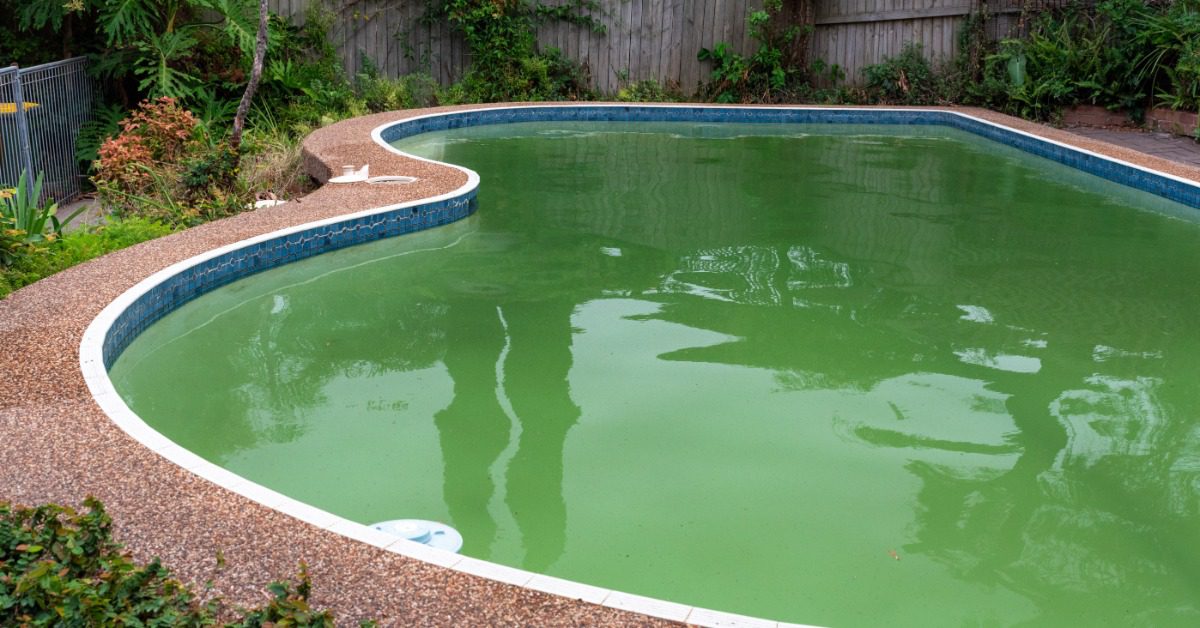
Leaves, dirt, and other debris constantly enter outdoor swimming pools, especially during periods of heavy wind or frequent backyard activity. When homeowners delay cleaning, organic material settles along the pool floor and collects in corners where circulation may struggle to reach it. As debris decomposes, it consumes sanitizer and contributes to cloudy water or algae growth.
Regular skimming and vacuuming prevent unwanted material from remaining in the water for extended periods. Brushing pool walls also removes buildup that automatic cleaners may miss. Homeowners who have trouble maintaining a consistent schedule may benefit from full-service weekly pool cleaning to keep debris under control and maintain dependable water conditions.
Ignoring Water Chemistry Creates Surface and Equipment Damage
Water may appear perfectly clear even when its chemical balance falls outside recommended ranges. Improper pH levels can gradually damage pool components, as excessively acidic water may corrode metal equipment and deteriorate plaster. Meanwhile, elevated pH can encourage calcium deposits on pool surfaces, creating additional maintenance concerns.
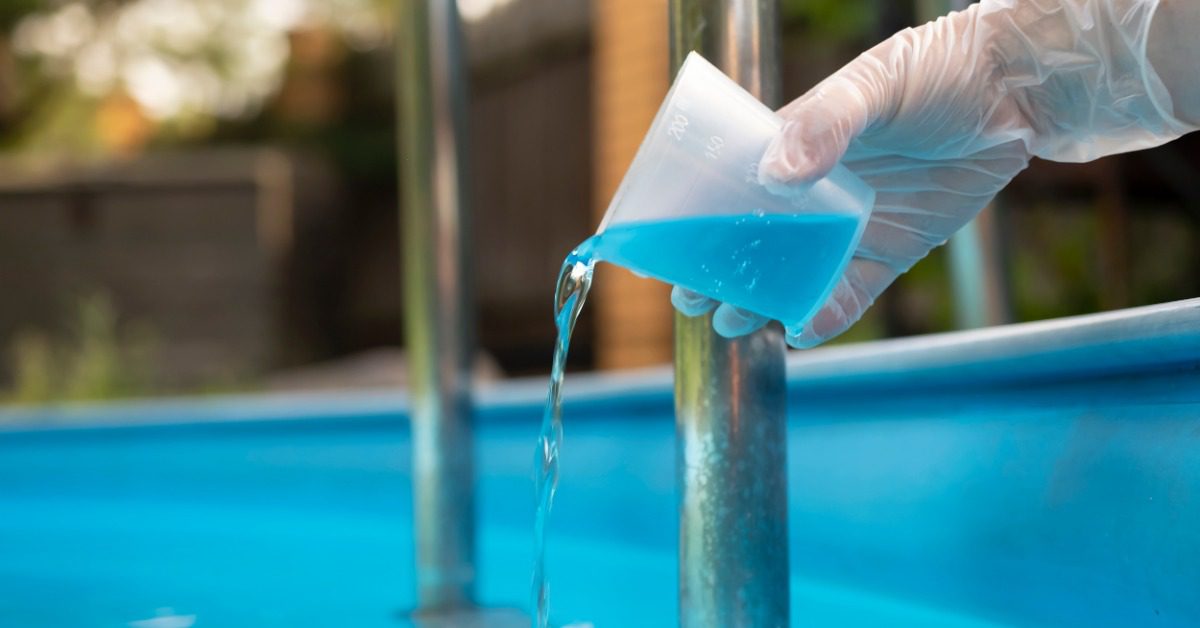
Sanitizer levels also require regular attention because insufficient chlorine allows bacteria and algae to multiply. Homeowners should monitor chemical readings rather than relying on water appearance to determine whether treatment is necessary. A consistent testing routine should include several important measurements, such as:
- pH levels to reduce corrosion and scaling
- Chlorine concentration to support effective sanitation
- Total alkalinity to stabilize pH and limit fluctuations
- Calcium hardness to protect pool finishes
- Cyanuric acid to maintain effective chlorine performance outdoors
Accurate testing provides the information homeowners need to make appropriate adjustments without introducing unnecessary chemicals.
Neglecting Pool Filters Reduces Circulation Efficiency
Pool filters capture suspended particles that would otherwise remain in the water. As contaminants accumulate inside the filtration system, water encounters greater resistance while moving through the filter media. This restriction can reduce circulation and place additional strain on the pool pump.
Different filter systems require specific maintenance procedures. Cartridge filters need periodic rinsing and occasional replacement, while sand and diatomaceous earth (DE) filters have their own cleaning requirements.
Homeowners should monitor filter pressure and watch for noticeable changes in water flow, as unusual readings may indicate that the system needs attention. Following manufacturer recommendations prevents improper servicing and supports dependable filtration performance.
Running the Pool Pump Incorrectly Disrupts Water Movement
Proper circulation distributes sanitizing chemicals throughout the pool and moves water toward the filtration system. When homeowners operate their pumps for insufficient periods, certain areas may receive inadequate circulation, encouraging algae growth and allowing contaminants to linger. However, running equipment continuously without considering pool requirements can increase electricity consumption unnecessarily.
Appropriate operating schedules depend on pump capacity, pool volume, and seasonal conditions. Variable-speed pumps offer additional flexibility because homeowners can adjust operating speeds to accommodate different circulation needs. Professional assessments determine whether existing pump settings provide adequate water movement without creating additional operating expenses.
Overlooking Small Leaks Leads to More Extensive Repairs
An unexpected drop in pool water level deserves attention, particularly when the loss exceeds normal evaporation. Small leaks may develop around plumbing connections, equipment seals, or structural components. Without timely repairs, escaping water can affect nearby soil and potentially compromise surrounding surfaces.
Homeowners sometimes compensate for unexplained water loss by repeatedly adding fresh water. Unfortunately, this habit can conceal an underlying problem while increasing water consumption and changing chemical concentrations. A bucket test distinguishes likely evaporation from possible leakage, although professional inspection may still be necessary to locate the source. Early detection limits the potential for additional damage and unnecessary water expenses.
Adding Pool Chemicals Incorrectly Causes Problems
More chemicals do not automatically produce cleaner or safer swimming conditions. Adding excessive treatment products can disrupt water balance and create uncomfortable swimming conditions, while incorrect application may damage finishes or equipment components. Some homeowners add chemicals without checking current readings, making it difficult to determine whether additional treatment is necessary.
Combining incompatible products presents an even greater concern because certain chemical reactions can release harmful gases. Homeowners should always follow manufacturer directions, use appropriate testing methods, and store pool chemicals separately according to their labels. Careful handling reduces chemical exposure while maintaining appropriate treatment levels.
Ignoring Early Equipment Warning Signs Increases Repair Costs
Unusual sounds and changes in equipment performance often indicate developing mechanical problems. A pump that begins making grinding noises may have worn bearings, while reduced water movement could indicate a blockage or another circulation issue. Ignoring these symptoms allows certain components to deteriorate further.
Equipment inspections should include checking for visible leaks around connections and monitoring normal operating behavior. Homeowners should also pay attention when automated controls display recurring errors. Prompt professional evaluation can identify the source of a malfunction before additional components sustain damage, potentially preventing more expensive equipment replacement.
Failing To Adjust Maintenance for Seasonal Changes Creates New Risks
Swimming pools experience different maintenance demands throughout the year. During warmer months, increased sunlight and heavier swimming activity raise sanitizer demand. Rainstorms introduce additional contaminants and alter water chemistry, requiring more frequent testing.
Cooler weather presents different concerns, particularly when temperatures approach freezing. Homeowners must protect vulnerable plumbing and equipment while maintaining appropriate circulation and water conditions. In the Greater Houston area, changing weather patterns make seasonal adjustments especially important. Evaluating current conditions rather than following an identical routine throughout the year allows homeowners to address changing maintenance requirements.
Delaying Professional Maintenance Allows Problems To Develop
Even attentive homeowners may overlook maintenance concerns that require specialized knowledge. A pool can appear clean while circulation inefficiencies or developing equipment problems remain unnoticed. Professional inspections provide another opportunity to identify conditions that routine visual checks might miss.
Preventive maintenance also creates consistency when busy schedules interfere with regular pool care. Experienced technicians can evaluate equipment performance and address cleaning requirements before neglected tasks accumulate. Recognizing pool maintenance mistakes that lead to bigger issues encourages homeowners to take a proactive approach that supports dependable pool operation.
Maintain Your Pool With Miller Pools
At Miller Pools, we understand how quickly overlooked maintenance tasks can affect your swimming pool. Our team provides professional cleaning, water balancing, and equipment servicing for residential pools throughout the Greater Houston area. We focus on identifying concerns early while keeping your pool clean and functional.
Whether you need consistent weekly maintenance or assistance with an existing pool problem, we’re ready to help. Contact Miller Pools today to discuss your pool maintenance needs and request professional service tailored to your property.
« Back to Help & Advice