
Ways To Extend the Lifespan of Your Swimming Pool
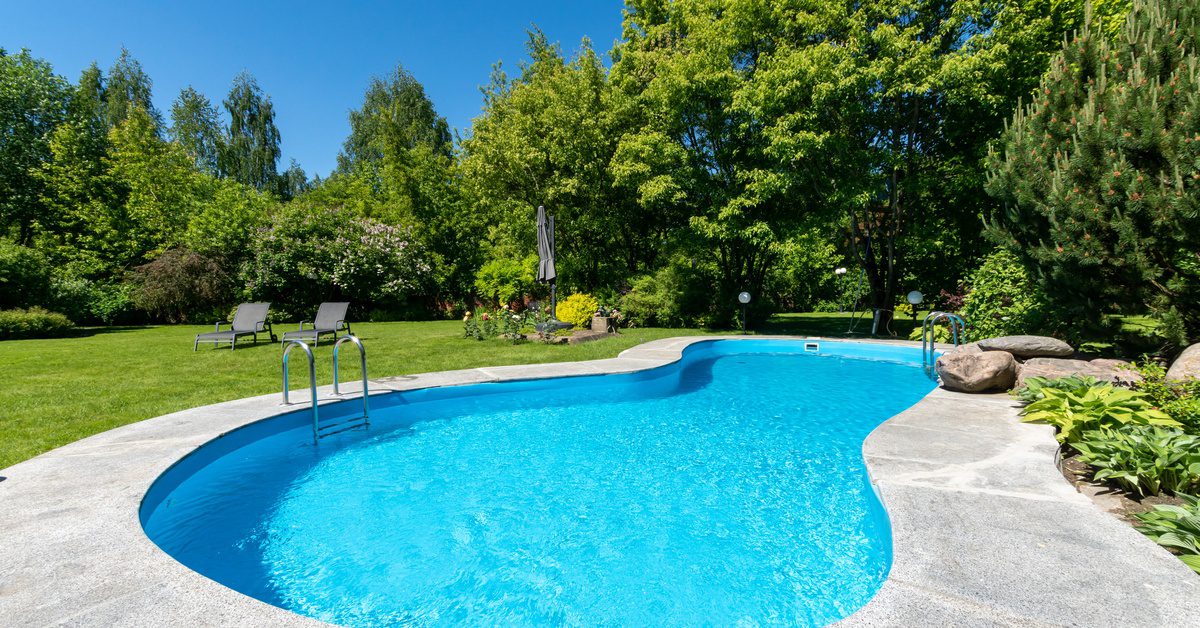
Owning a swimming pool means having a personal retreat right in your backyard. It serves as a place for exercise, relaxation, and gathering with friends and family. However, a pool represents a significant financial investment that requires consistent care to operate efficiently. Neglecting basic pool care leads to expensive repairs, equipment failure, and premature surface damage.
Pool owners understand the need for clear water, but pool longevity requires looking beyond simple aesthetics. The structural integrity of the plaster, the efficiency of the pump, and the durability of the plumbing all depend on how well you manage the pool environment day to day. Taking a few proactive steps allows you to extend the lifespan of your swimming pool.
Maintain Precise Chemical Balance
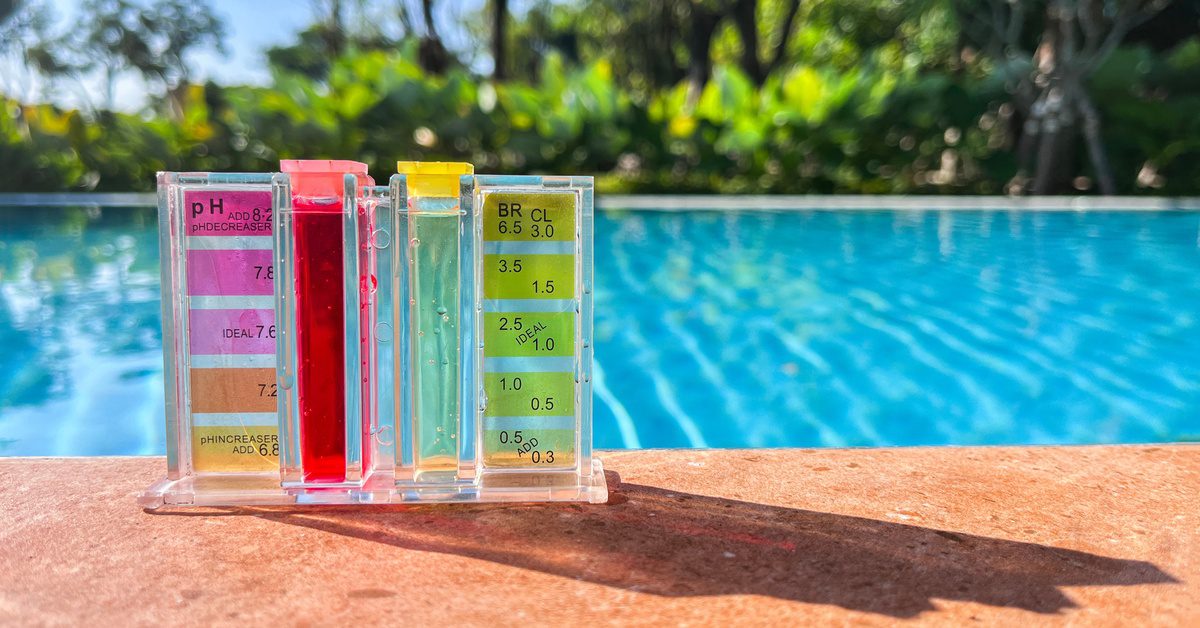
Water chemistry is a critical factor in determining how long your pool surface and equipment will last. Many assume clear water equals healthy water, but this is not always true. Water that appears clean can still be corrosive or scale-forming, both of which cause irreversible damage over time.
When pH levels drop too low, the water becomes acidic and eats away at pool plaster, causing pitting and rough surfaces. It also corrodes metal components in the heater, pump, and ladder rails. Conversely, high pH leads to calcium scaling. This scale builds up on the waterline, clogs filter elements, and restricts water flow through the heater, forcing the equipment to work harder and fail sooner.
You must test your water frequently, aiming for a pH between 7.4 and 7.6 and alkalinity between 80 and 120 ppm. Calcium hardness also matters, as low calcium levels cause the water to leech calcium from the plaster, effectively dissolving the pool shell. Keeping these numbers in the correct range prevents the water from attacking the pool structure.
Keep the Filter System Clean
Your pool’s filter removes impurities and debris to keep the water safe. A clogged or dirty filter restricts water flow, which places immense strain on the pool pump. When the pump fights against high resistance, it runs hotter and burns out much faster than a pump operating under normal pressure.
Monitor the pressure gauge on the filter tank. When the pressure rises 8 to 10 PSI above the clean starting pressure, you need to clean the filter. For sand and DE filters, this involves backwashing. For cartridge filters, you must remove the elements and spray them down.
While you can handle basic basket emptying yourself, investing in a professional weekly pool maintenance service ensures that trained eyes monitor filter pressure and equipment health regularly. Keeping the filter clean extends the life of the pump and allows the water to circulate effectively to every corner of the pool.
Brush Pool Walls and Tile Lines
Algae and biofilm love to adhere to the microscopic pores in pool plaster and the grout lines between tiles. Once algae takes root, it can stain the pool surface and degrade the material.
Brushing the walls, floor, and steps dislodges these contaminants so the filter can trap them. This simple action prevents staining that often requires acid washing or resurfacing to fix. Additionally, brushing prevents scale formation on the tile line.
Be sure to use a brush that is appropriate for your pool’s finish. Stainless steel brushes work well for gunite or concrete pools.
Monitor Water Levels
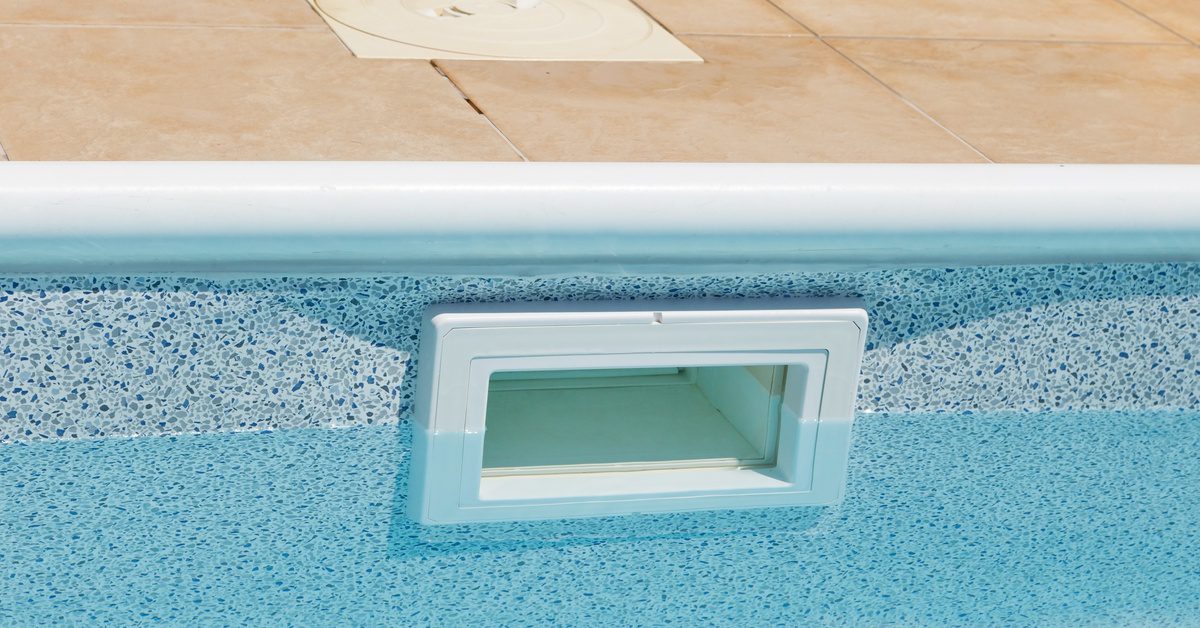
The water level in your pool fluctuates due to evaporation, splashing, and rain. While this seems like a minor issue, incorrect water levels can pose a serious threat to your pool equipment. If the water level falls below the opening of the skimmer, the pump begins to draw in air. This causes the pump to lose its prime and run dry, leading to overheating and eventual failure.
On the other hand, if the water level rises too high, the skimmer cannot effectively skim debris from the surface. This debris eventually sinks, decays, and alters the water chemistry, leading to corrosive conditions.
Do your best to keep the water level at the midpoint of the skimmer tile or opening. This ensures the pump always has water and the skimmer functions as intended.
Run the Pump for Adequate Time
Stagnant water causes problems; chemicals do not mix evenly without circulation, creating pockets of concentrated chemicals that can damage pool surfaces. Furthermore, debris that settles on the floor can stain the surface permanently. To extend the life of your pool, water must move through the filter system daily.
Run your pool pump for at least 8 to 12 hours a day during the swimming season. This turnover ensures all the water in the pool passes through the filter, removing particulates and distributing sanitizer. Variable speed pumps allow you to run the system for longer periods at a lower energy cost, providing excellent circulation without a high utility bill.
Proper circulation also protects the heater, which relies on a steady flow of water to operate safely. Inconsistent flow causes the heater to cycle on and off rapidly, wearing out the internal switches and heat exchanger.
Address Minor Repairs Promptly
Small issues in a swimming pool environment rarely stay small. A hairline crack in the coping or a minor drip at the equipment pad can escalate quickly if ignored.
When you inspect your pool equipment and structure, be sure to check for:
- Cracks in the plaster, deck, or coping stones
- Missing grout between tiles
- Moisture around the pump or filter base
- Loud or unusual noises coming from the motor
- Filtration issues
- Loose handrails or ladders
Fixing a leak in a pipe costs less than replacing a burned-out motor caused by that leak, and patching a small crack in the plaster prevents water from rusting the structural steel beneath the surface. Adopting a proactive mindset toward repairs preserves the integrity of the entire pool system.
Protect Your Backyard Investment
Your swimming pool provides endless summer fun, but it demands respect and attention to remain in top condition. By balancing chemicals, maintaining the equipment, and addressing issues early, you can extend the lifespan of your swimming pool.
If you find the technical aspects of pool care overwhelming, or if you simply lack the time to dedicate to these tasks, reach out to the experts at Miller Pools in the Greater Houston area. Our team brings decades of experience to your backyard, ensuring every component of your pool receives the care it needs to last.
« Back to Help & Advice